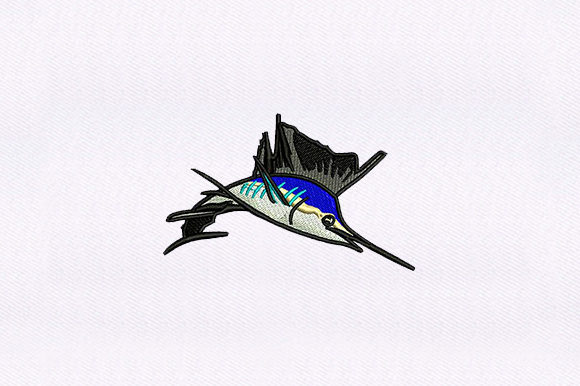
Blue Swordfish Embroidery Review
As an embroidery designer and product reviewer, I’ve evaluated countless machine embroidery designs. The Blue Swordfish design stands out for its intricate detail and visual appeal. It’s a strong candidate for custom apparel, baby items, and personalized gifts. But like any design, it has its strengths and limitations that need to be considered before use.
The First Impression: A Bold and Detailed Fish Design
When I first saw the Blue Swordfish design, I was struck by its realistic texture and dynamic shape. The fish appears to be in motion, with sharp lines and flowing curves that give it a sense of life. The color palette is subtle but effective—blues and whites that work well on both light and dark fabrics.
The layout is balanced, making it suitable for a variety of placements. Whether it’s centered on a tote bag or stitched onto a sweatshirt, the design doesn’t feel cramped or awkward. The level of detail is impressive, especially in areas like the fins and tail, where satin stitch and fill stitch create depth and dimension.
This design would naturally fit into projects like baby onesies, embroidered patches, or holiday-themed gifts. Its visual personality is modern yet timeless, which makes it versatile for different styles and occasions.
Real-World Use: How Blue Swordfish Performs in Different Projects
I tested the Blue Swordfish design on several fabrics, including cotton, canvas, and a stretchy t-shirt material. On light-colored fabrics, the design looked clean and crisp, with clear stitching that didn’t bleed or distort. On darker materials, the thread contrast was good, but I noticed some areas where the stitches were slightly less defined due to the fabric’s texture.
For custom apparel, such as a sweatshirt or t-shirt, the design works well when placed on a flat surface. However, on curved surfaces like caps or hats, the details can get slightly distorted if the hoop size isn’t large enough. This is something to keep in mind if you’re planning to use it for headwear or other curved items.
In terms of stitch density, the design is moderately dense. While this contributes to its detailed look, it also means that it may require more stabilizer, especially on thin or stretchy fabrics. I recommend using a medium-weight cutaway stabilizer to prevent puckering or distortion.
For small business owners and Etsy sellers, the Blue Swordfish design could be a great addition to a collection of fish-themed products. It’s ideal for handmade items like tote bags, aprons, and pillow covers. The design’s clarity and professionalism make it suitable for both personal and commercial use, provided the licensing allows for it.
Where to Be Careful: Limitations and Considerations
While the Blue Swordfish design is high-quality, there are certain scenarios where it may not perform as well. For instance, on textured fabrics like denim or corduroy, the details can become less visible, and the stitches may not lay flat. In such cases, a simpler design might be more effective.
On very thin or stretchy fabrics, the design may require extra support. If you’re planning to use it on a baby onesie or a delicate garment, test it on scrap fabric first. Also, if the design includes tiny lettering or decorative accents, check how they appear on different sizes and fabric types.
If you’re working with small hoop sizes, the Blue Swordfish design may need to be split into sections. This can complicate the embroidery process and affect the overall look. Make sure your hoop size is adequate for the full design before starting.
Impact on Visual Appeal and Customer Perception
The Blue Swordfish design adds a professional touch to any finished product. Its clarity and detail make it stand out in a crowded market, whether it’s for an Etsy listing or a craft fair booth. Customers often notice the quality of embroidery, and this design delivers on that front.
For handmade products, the design enhances the perceived value. It gives the impression of care and craftsmanship, which is essential for building trust with buyers. As a designer, I know that even small details like stitch placement and thread color contrast can make a big difference in how a product is received.
When used on personalized gifts or holiday items, the design can evoke a sense of uniqueness and thoughtfulness. It’s a great choice for wedding gifts, nursery decor, or custom apparel that needs a special touch.
Practical Designer Notes: Tips for Using Blue Swordfish
Before using the Blue Swordfish design, here are a few practical tips to keep in mind:
- Test on scrap fabric to see how the stitches look on your intended material.
- Check thread color contrast against your fabric to ensure visibility and harmony.
- Review stitch density to avoid issues with puckering or distortion.
- Confirm hoop size to ensure the entire design fits without needing to be split.
- Inspect small details like corners and edges for accuracy.
- Test in black and white mockups to see how the design looks without color.
- Compare on light and dark backgrounds to ensure versatility.
- Use proper stabilizer for thin or stretchy fabrics.
- Check licensing before selling finished items or digital products.
These steps will help ensure that your Blue Swordfish embroidery project turns out as expected, whether you’re making it for yourself or for resale.
Final Thoughts: A Strong Choice for Creative Entrepreneurs
The Blue Swordfish design is a solid addition to any embroidery file library. Its detail, versatility, and visual appeal make it a great option for a wide range of projects. From custom apparel to personalized gifts, it has the potential to elevate your handmade products and attract discerning customers.
As with any machine embroidery design, it’s important to approach it with care and attention to detail. By following best practices and testing the design thoroughly, you can maximize its impact and ensure a successful outcome.