Sheep Embroidery Design Review
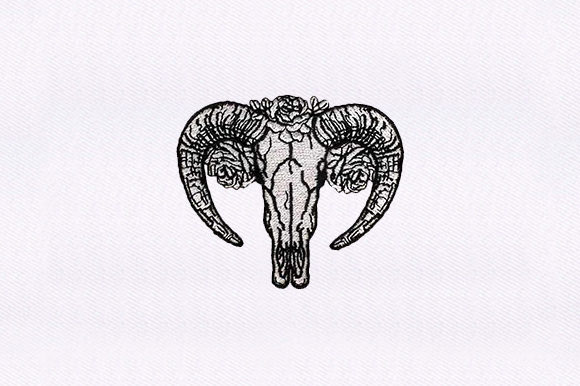
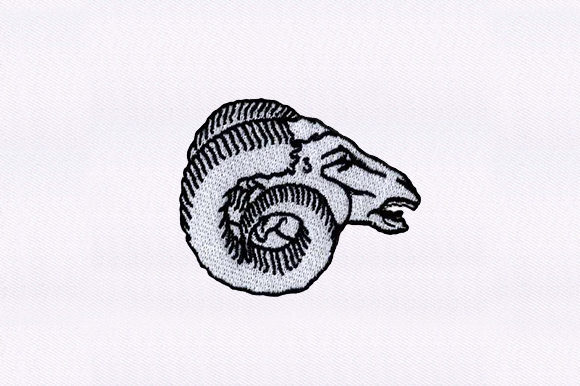
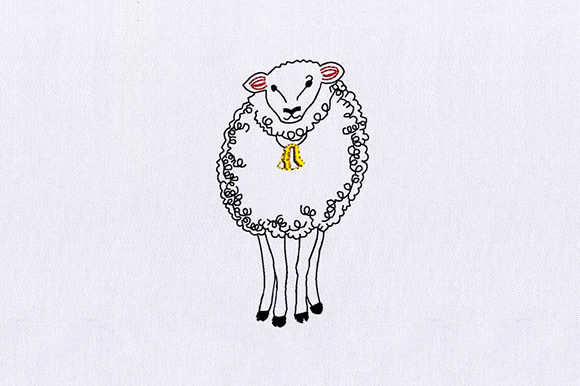
The Sheep embroidery design is a versatile and charming addition to any small business merch or branded patch collection. As an experienced embroidery designer, I’ve evaluated this piece for its potential in custom apparel, embroidered patches, and other commercial applications. Its friendly and approachable style makes it ideal for businesses looking to add a touch of warmth and character to their product lines.
First Impressions: A Friendly and Professional Design
The Sheep design exudes a sense of warmth and simplicity that feels both professional and inviting. It’s not overly detailed, which makes it suitable for a wide range of fabrics and projects. The clean lines and soft curves give it a handmade quality, making it perfect for boutique merchandise, Etsy sellers, and craft brands that want to maintain a personal touch while still appearing polished.
As a machine embroidery design, it strikes a balance between being expressive enough to stand out and simple enough to work across different materials and sizes. Whether used as a chest logo on a cap or as a sleeve detail on a tote bag, the Sheep design maintains its charm without overwhelming the overall look of the garment.
Real Business Use: From Patches to Apparel
This design excels in several key areas of small business merch. For example, as an embroidered patch, it can be sewn onto jackets, backpacks, or even product labels to reinforce brand identity. Its size and shape make it adaptable for use on caps, where it can serve as a front emblem or a subtle accent.
For apron embroidery, the Sheep design adds a playful yet professional element to kitchen or retail uniforms. On tote bags, it becomes a memorable mark that customers will associate with your brand. In custom apparel, it can be used as a sleeve or collar detail, offering visual interest without distracting from the main branding elements.
Small business owners who sell handmade products will find this design particularly useful. It complements a range of fabric textures and colors, making it a flexible choice for product designers and crafters. The Sheep design also works well as a printable mockup, allowing clients to visualize how it will appear on their chosen item before production begins.
Where to Use with Caution
While the Sheep design is generally easy to work with, there are a few situations where extra care is needed. At very small patch sizes, the details may become too delicate, leading to a loss of clarity. This is especially true for curved surfaces like cap fronts, where the design might stretch or distort if not properly adjusted.
High stitch density could also be an issue on textured fabrics or dark uniforms, where the embroidery may not show up clearly. Tiny lettering or intricate outlines should be avoided unless the design is specifically optimized for such details. It’s always wise to test the embroidery file at different sizes and on various fabrics before committing to large-scale production.
Practical Tips for Embroidery Designers
- Test in black and white first: This helps assess how the design looks against different fabric colors and ensures visibility on dark backgrounds.
- Check small patch sizes: Ensure the design remains legible when scaled down for use on items like buttons or tags.
- Review thread color contrast: Choose colors that stand out against the fabric and complement your brand palette.
- Inspect spacing: Make sure the design doesn’t feel cramped or crowded on the intended application area.
- Confirm hoop size: Ensure the design fits within the available hoop dimensions of your embroidery machine.
- Test on real fabric: Different materials react differently to embroidery, so testing is essential for accuracy.
- Use proper stabilizer: This prevents puckering and ensures a smooth finish, especially on lightweight or stretchy fabrics.
- Create a mockup for client approval: This helps avoid misunderstandings and ensures the final product meets expectations.
- Compare beside other design assets: Ensure consistency with your existing brand elements and overall visual identity.
- Confirm commercial licensing: Always verify that the embroidery file allows for business use, especially if you're selling the finished product.
Impact on Brand Identity and Customer Trust
The Sheep design contributes positively to brand identity by adding a unique and recognizable element to your merchandise. Its friendly appearance can help build customer trust and increase recognition, especially for businesses targeting a warm, community-oriented audience.
When used consistently across different products, such as aprons, caps, and tote bags, the design reinforces a cohesive brand image. This visual consistency is crucial for small businesses looking to establish a strong presence in the market.
Additionally, the Sheep design enhances the perceived value of your products. Even in a handmade or custom setting, a well-executed embroidery can elevate the overall look and feel of a product, making it more appealing to buyers.
Conclusion: A Versatile Design for Small Business Use
The Sheep embroidery design is a valuable asset for small business owners, embroidery shops, and craft brands. Its friendly, approachable style makes it suitable for a wide range of applications, from embroidered patches to custom apparel. With careful consideration of size, fabric, and placement, it can become a powerful tool in building a strong and consistent brand identity.
Whether you’re creating small business merch, custom apparel, or branded product labels, the Sheep design offers a reliable and visually appealing option that aligns with modern embroidery trends and practical business needs.