Welcome Spring Embroidery Design
As an embroidery designer and product reviewer, I’ve evaluated countless machine embroidery designs. Welcome Spring stands out for its seasonal charm and versatility, but it’s not without its nuances. Let me walk through how this design performs in real-world use, from the first glance to the final stitch.
The First Impression: A Fresh Start
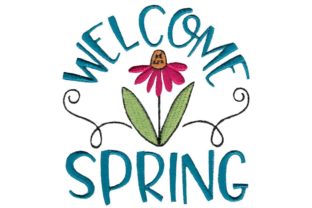
Welcome Spring immediately evokes a sense of renewal. The design features soft floral motifs, delicate leaves, and subtle color gradients that feel like a breath of fresh air. It’s not overly complex, but it carries a gentle, approachable aesthetic that fits well with springtime themes. The layout is balanced, with enough detail to be engaging without overwhelming the eye. This makes it ideal for projects that need a touch of elegance without being too busy.
Visually, it leans toward a light, airy style—perfect for baby items, personalized gifts, or casual wear. The design seems to thrive on smooth, even fabrics where the details can shine. It doesn’t scream for attention, but it does offer enough character to make a statement when placed correctly.
Real-World Use: Where It Fits Best
When considering practical applications, Welcome Spring excels in custom apparel, tote bags, and embroidered patches. Imagine a hand-stitched tote bag with this design—perfect for a local craft fair or an Etsy shop. It also works well on sweatshirts, especially for seasonal promotions or boutique branding. For baby items, the softness of the design pairs nicely with lightweight knits or cottons, making it a safe choice for nurseries or gift baskets.
It’s also a great fit for holiday gifts. Whether it’s a personalized pillow cover or a decorative kitchen towel, the design adds a touch of springtime cheer without being too seasonal. As a digital product, it could serve as a printable mockup or a preview for clients looking to visualize their own projects.
One thing to note: the design feels most at home on flat, smooth surfaces. It may not translate as well to curved areas like caps or hats, where the curvature can distort the shape. That said, with proper hoop size and stabilizer, it can still work on these surfaces if needed.
Where to Be Cautious: Practical Considerations
While Welcome Spring has a lot going for it, there are situations where it might not perform as expected. Small hoop sizes, such as 4x4, could limit the detail, especially if the design is scaled down. On textured fabrics or thin materials, the stitch density might become too dense, causing puckering or visible distortion.
On dark fabrics, the thread colors may not show up as clearly, depending on the background. If you’re using this for a commercial project, testing the design on both light and dark fabric samples is essential. Similarly, on stretchy or layered garments, the design may shift during stitching, requiring extra stabilizer support.
For intricate corners or tiny lettering, the design might not hold up as well as more detailed options. If your project requires sharp, clean edges, you may want to look for a more precise alternative. However, for general use, Welcome Spring remains a solid choice.
Impact on Visual Appeal and Customer Perception
When stitched properly, Welcome Spring adds visual appeal without being overdone. It’s a design that feels handmade, which is key for small business owners and Etsy sellers looking to build trust with their audience. Customers often respond positively to designs that feel authentic and thoughtful, and this one checks those boxes.
In terms of product value, it’s a design that can elevate a basic item into something special. Whether it’s a custom apron, a personalized cap, or a boutique-branded towel, the design adds a layer of craftsmanship that customers appreciate. It also helps with brand consistency, especially if your shop has a seasonal or nature-themed aesthetic.
As a gift, it’s versatile. It works for birthdays, baby showers, or even as a token of appreciation. Its soft, welcoming vibe makes it a good choice for personalization, and it’s easy to pair with other elements like text or additional embellishments.
Designer Notes: Tips for Success
Before jumping into a full project, test the design on scrap fabric. This will help you see how the stitch density and thread colors interact with your chosen material. If you’re using it for a commercial project, confirm the licensing terms to ensure you’re allowed to sell finished products or digital files.
Stabilizer is crucial, especially on delicate or stretchy fabrics. Don’t skip it—this can save you from puckered seams and uneven stitches. Also, check whether the design works in black and white mockups to see how it looks without color. This is helpful for print-on-demand or digital previews.
Finally, consider the scale. Welcome Spring comes in four sizes, so choose the one that best fits your project. A 6x10 hoop might be better for larger items, while a 4x4 could work for smaller patches or accessories.
Final Thoughts: A Reliable Spring Design
Welcome Spring is a reliable addition to any embroidery library. It’s not the most intricate design, but it offers enough character to stand out in a crowd. Whether you’re an Etsy seller, a small shop owner, or a hobbyist looking to expand your creative toolkit, this design has practical value and aesthetic appeal.
It’s not perfect for every situation, but with careful planning and testing, it can become a staple in your collection. For anyone looking to add a touch of spring to their projects, Welcome Spring is worth considering. Just remember to tailor it to your specific needs and materials for the best results.